Showing posts with label James Bay Shorebird Project. Show all posts

Sunday, 24 November 2019

James Bay 2019: Longridge Point

Let's finish this thing...

August 14, 2019

The weather was looking good, so it was no surprise when we received confirmation that the chopper would be flying that day. The plan was that the chopper would fly in just over half of the new Longridge Point crew, then pick up three Longridge crew members, drop one (Gray Carlin) off at Piskwamish on their way back, and pick up Kevin, before making its way back to Moosonee. At that point, the chopper would pick up the remaining Longridge crew member, before flying back to Piskwamish, pick me up, the continue onto Longridge, where I would spend the next two weeks. Sounded simple enough.

I enjoyed my last few hours at Piskwamish, and right on schedule and to plan, the chopper came and picked up up. I got to see where I had been walking for the past couple weeks from the air, and had a new found appreciation for the winter road and power line.

Soon we touched down in the marsh at Longridge Point. I was back! I was reunited with Doug McRae, and after a few camp orientation things, the new crew went out to explore the area. Longridge is certainly very different than Piskwamish, since most of the walking involves walking along gravel ridges (compared to the expansive mudflats of Piskwamish). It is certainly more physically demanding, but having already spent two weeks on the coast, it wasn't as strenuous for me as the crew members who had just come in.

Autumn Gentian (Gentianella amarella)

eBird checklist 

August 15, 2019

I did my first Longridge Survey on this day, Paskwatchi Point, which is my favourite survey route. Whiles numbers were basically nothing compared to the numbers of birds I had seen at Pisk, it was still quite enjoyable. Highlights on the survey included a Red-necked Phalarope, a juvenile Marbled Godwit (the second record that season for Longridge), and an adult Little Gull.

I found a few orchids in the morning before survey.

Lesser Rattlesnake Plantain (Goodyera repens)

Nodding Ladies Tresses (Spiranthes cernua)


That evening I heard a Long-eared Owl, which had been hanging around for a few weeks apparently. This was actually my first ever Long-eared Owl!

eBird checklist

August 16, 2019

I was the first awake that day, so as I stumbled outside half asleep, I went to the main cabin and began disabling the bear fence. At one point, I looked up and there it was! A juvenile Northern Goshawk perched 20 feet above me! Unfortunately it flew off before others got to see it, however it came back several more times over the course of the next couple weeks. We also had a different individual hanging around, another juvenile.

On this day, I tackled the Longridge Point survey, which follows Longridge Point, a gravel spit about two kilometers in length. There wasn't too much of note this day, just the usual. We had 153 White-winged Crossbills tallied that day, which certainly made Doug laugh since he had said until I came, they would only get a dozen or so a day at most. We joked I brought the crossbills with me, since we had hundreds daily at Piskwamish.

eBird checklist

August 17, 2019

I believe on this day, I made another Paskwatchi survey. Again, nothing really of note.

I went out to explore in the marsh, with the intention of checking out where I had discovered a single Saffron-winged Meadowhawk the previous year. Imagine my delight when I found a few dozen!


A Green Comma in camp was a lifer butterfly for me.


A decent number of finches this day, with almost 200 crossbills, and decent numbers of Common Redpolls.

Common Redpolls

eBird checklist

August 18, 2019

I did the West Bay survey this day, highlighted by 15 Wilson's Phalaropes. It was an excellent year for phalaropes on the coast. In 2018, we would consider it a good day if we saw a phalarope. This past year, they were a nearly daily occurrence.

eBird checklist

August 19, 2019

Before heading out on the Longridge Survey, I saw a Northern Blue, only my second time seeing this species.


Around this time, we were dealing with pretty high tides. Because of the time of day, we decided we would start our survey at the tip of Longridge, and then survey our way back. As we were walking out, I noticed the tide coming in, and it was coming in fast. I remember thinking to myself that we were going to get stuck somewhere along the ridge today. As it turned it out, my prediction was right. However, instead of getting stuck where I had thought we would get stuck, we found ourselves stranded at the very tip of Longridge, a mere 500 meters into our survey! Since I was the "survey crew leader", I made the call to end the survey and stay put, since the wave action and current would have made the 20 foot crossing potentially dangerous.

After a few hours, the tide finally went down far enough for us to cross safely. However, that was the least of our problems. For the last hour we had watched as a massive thunderhead made its way towards us. So, with lighting and thunder coming at us, we began the walk/jog/sprint towards the closest cover...two kilometers away (oh, and I was carrying a metal tripod).

In short, we made it out alive, and there was an epic double rainbow (I was unable to catch all of it in the frame!)


eBird checklist

August 20, 2019

We had been planning to meet up with the Piskwamish Crew at "The Barge" which is between the two camps for a "party", however the forecast had been less than satisfactory, so we opted to postpone until the next day. It turned out to be a very nice day, and we remarked how we should have gone ahead with the party that day. We couldn't know at the time how postponing would be perhaps one of the best decisions we had ever made...

I did the West Bay survey this day. Just the usual stuff, but I finally saw my first James Bay Stilt Sandpipers.

eBird checklist

August 21, 2019

Ah yes, August 21, 2019...

I volunteered to do the Paskwatchi survey (quite) early in the morning, along with a fellow crew member. The rest of the crew would then meet us at Paskwatchi point, where we would ditch our gear and continue to walk the distance to the Barge for the meetup.

The survey went without a hitch, so when joined by the other crew, we began the walk, birding the ridge along the way. About a kilometer south of Paskwatchi, we stopped to "pish" because we heard a Red-breasted Nuthatch. Off to my left I saw a flash of the brightest yellow I had ever seen. Puzzled, I raised my binoculars, trying to discern what it was. The yellow body, black eye, huge bill...blue-grey wings?

"Holy @$#%, it's a Prothonotary!"

Doug has also gotten on the bird, and was seeing the backside. As soon as I said what it was, it came out into the open, in all its golden yellow glory. We observed it for the next few minutes, before losing it for good. It was fair to say we were all in shock. It took us a couple days before it to even begin to set in what we had seen! That chance sighting of a beautiful male bird represented the second record for the James Bay area, the last one being in Moosonee in October of 1989. Unless I am mistaken, this seems to be the most northerly record of the species in the province, and one of most northern records of the species ever. Honestly one of the craziest birds I have ever seen, good thing we postponed the party!

So yeah, it was a pretty good day. The "Barge Party" was fun, and it was good to see my old camp mates again.

eBird checklist

August 22, 2019

I did the Longridge Survey this day. Shorebird numbers were still much lower than we expected they should have been (only a couple hundred White-rumped Sandpipers, should have been thousands). We did a short seawatch after the survey, which was highlighted by a Marbled Godwit.


I should note that on the pond near camp we had a couple families of a rare bird...American Coots! We had seen a few juveniles daily, however on this day we finally saw all 14 young! This represented the second or third breeding record for the Hudson Bay Lowlands.


eBird checklist

August 23, 2019

I did the Paskwatchi survey this day. As was the trend for recent surveys it seemed, the survey was pretty quiet. As soon as we ended the survey, we found a nice and somewhat cooperative Stilt Sandpiper.

Lesser Yellowlegs and Stilt Sandpiper

We went for a walk down the ridge south of Paskwatchi after the survey, since the habitat was quite nice. Nothing rare on this day, but we did have a pretty high number of Tennessee Warblers, definitely the most common small interesting looking bird on this walk.

eBird checklist

August 24, 2019

Did the West Bay survey. Again, not much to report on, besides the small "flock" of six Silt Sandpipers were encountered, which seemed a bit out of place. A single Marbled Godwit was nice to see. Over 100 Snow Geese was a good count. We also had a good number of Broad-winged Hawks. We are north of their usual range, so they are a bit odd to see, however they sometimes do occur.

Highlight of the day was an Old World Swallowtail caterpillar.


eBird checklist

August 25, 2019

For my second last full day on the coast, I did the Longridge survey for the last time. Once again, shorebird numbers were low! Highlight were the first American Pipits of the fall. On our walk back to camp, I spotted a Ruffed Grouse, my first for James Bay.

That night at dinner, as we were doing our daily totals, a Grey Catbird showed up outside our cabin! This is a fairly northern record of the species. It was good to finally lay eyes on the bird, as I had been hearing catbird-like calls for several days now, but could never get a visual to confirm.

eBird checklist 

August 26, 2019

My last full day on the coast.

I did my favourite survey for the last time, Paskwatchi Point. Unfortunately, the shorebird numbers didn't increase. In fact, we had ZERO White-rumped Sandpipers that day. They are supposed to be the most common and numerous species! We had a couple good birds at Paskwatchi, including a pair of Little Gulls, and a Parasitic Jaeger.

It was with reluctance we walked back to camp, knowing it would be the last time we would make that walk this year. We enjoyed our last night together as a camp, and reflected on our past couple weeks together. For me, it was amazing how fast a month had flown by!

eBird checklist

August 27, 2019

It was zero hour. I secretly prayed for a freak storm which grounded all choppers for a month, but some of my camp mates were itching to get out, for they had responsibilities to attend to.

Doug found this dead Arctic Shrew, it was pretty cool.


We went for one last walk to the banding station to take a look at the ocean. My attempts at escape into the bush were foiled both times.

Around noon, just as I had finished lunch, I went outside, and in the distance I could hear it. The distinctive sound of a chopper. This was it.

I said my good byes, to both my friends, and the coast, and packed up the chopper, and then we were off. Less than half an hour later I was back in Moosonee. After my first shower in a month, we got onto the train, and were back on our way to southern Ontario. For another year, my time in the north had come to an end.

eBird checklist

------
I was really happy to be able to spend a month up on the coast, which is undoubtedly my favourite place I have ever been (which, I guess isn't too many places). I am anxiously awaiting my next opportunity to return!

Until next time, James Bay.

Saturday, 12 October 2019

James Bay 2019: Piskwamish Highlights August 4-13

It's been a while since the last post! I apologize for that, I have gotten busy (and distracted).

For the remainder of my time at the Little Piskwamish field camp, I will list some of the highlights.

August 4, 2019

I saw some cool plants.

Red Bulrush (Blysmus rufus)

Green Bog Orchid (Platanthera huronensis)

Fireweed (Chamaenerion angustifolium) is a favourite of mine.


Also saw this Boreal Chorus Frog.


August 6, 2019

I went to go read some knot flags with Amie on this day in the Far South. Since it was a late tide (the latest tide of my time at Piskwamish), we ended up coming back into camp late (we got back around 9pm). The biggest highlight on this day, however, was on the walk back. I had stopped to take a picture of a plant, and then all of a sudden I heard it. A faint tick-tick-ticktick. It was my lifer Yellow Rail! Yellow Rails were oddly scarce at Piskwamish this year, and it was the only one I encountered all month.

August 7, 2019

I did a wee bit of botanizing in the marsh on this day. I also found my first Black Meadowhawk of the season.

Mud Sedge (Carex limosa)

Purple Rattlesnakeroot (Nabalus racemosus)

Chaffy Sedge (Carex paleacea)

Black Meadowhawk

In the evening I made a call home to my family on the satellite phone since it was my grandfather's birthday. This time I remembered to extend the antenna all the way!

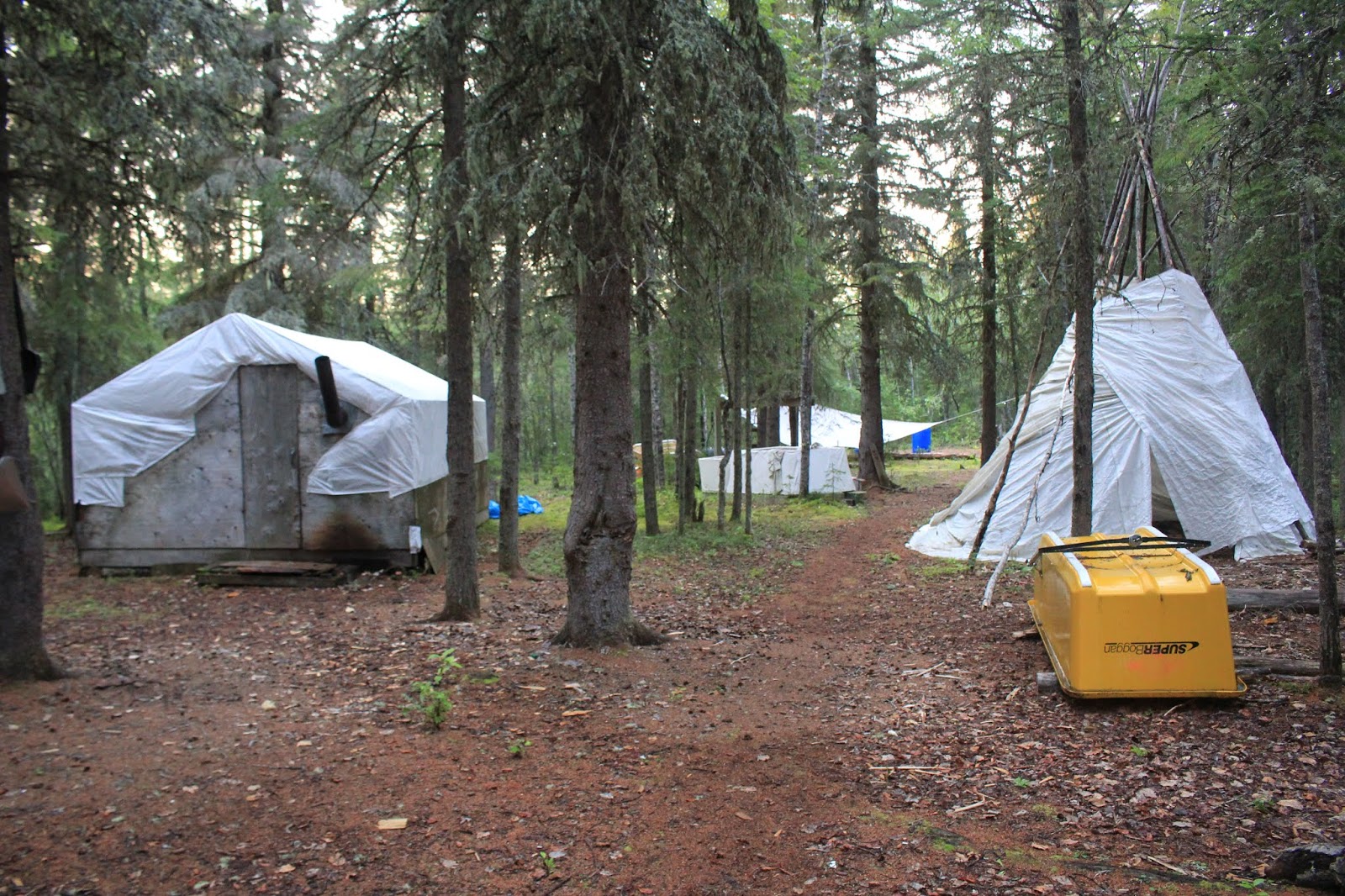
I spent a little bit of time in the evening photographing the camp. It is very pretty.

One of the sleeping cabins (mine) on left

Pathway from camp to marsh 

Kitchen cabin (exterior)

Kitchen cabin (interior)


Rain barrel and water collection tarp (for camp chores)

August 8, 2019

A day for the odes! I finally found where all the "good" darners were hanging out, so I spent a couple hours chasing them around. I had been searching for Sedge Darner, but hadn't gotten lucky yet!

Lake Darner

Subarctic Darner

Four-spotted Skimmer

August 10, 2019

Tyler and I ventured north on the north survey route this day. Just before we started, I had to go back to camp to rebandage my foot since it was killing me. In my time away, Tyler had a Pacific Loon fly by. Can't win them all! This was something like the third southern James Bay record (surprisingly).

We went up to Big Piskwamish, which has a lovely little marsh in behind it. It had some neat plants in it.

Tilesius Wormwood (Artemisia tilesii)

American Slough Grass (Beckmannia syzigachne)

There were a few odes in the marsh behind, highlights being Emerald Spreadwing and Delicate Emerald.

Emerald Spreadwing

Delicate Emerald

Just as we were about to leave, I was walking along the ridge, and a Sedge Darner essentially flew into my net! Success! It was one of only a couple I would see the entire month.

Sedge Darner

That night, Tyler and I set up a moth sheet. Saw a couple cool things.

Boomerang Dart

Finned-willow Prominent 

August 11, 2019

Aerial survey day! The four of us split up and went to our respective spots to count birds as the helicopter, carrying a couple biologists, flew over. My spot was about 6 or so kilometers south of camp. When I was about 3 kilometers away, I get the radio call from Tyler. They had just had a Blue Jay in camp! Blue Jays are quite rare in Southern James Bay. Interestingly, Longridge had at a Blue Jay about 10 days prior. I decided I was just too far to turn around to go see it, and make it to my spot on time. Needless to say I was bummed. I never thought I'd be so mad to miss a Blue Jay.

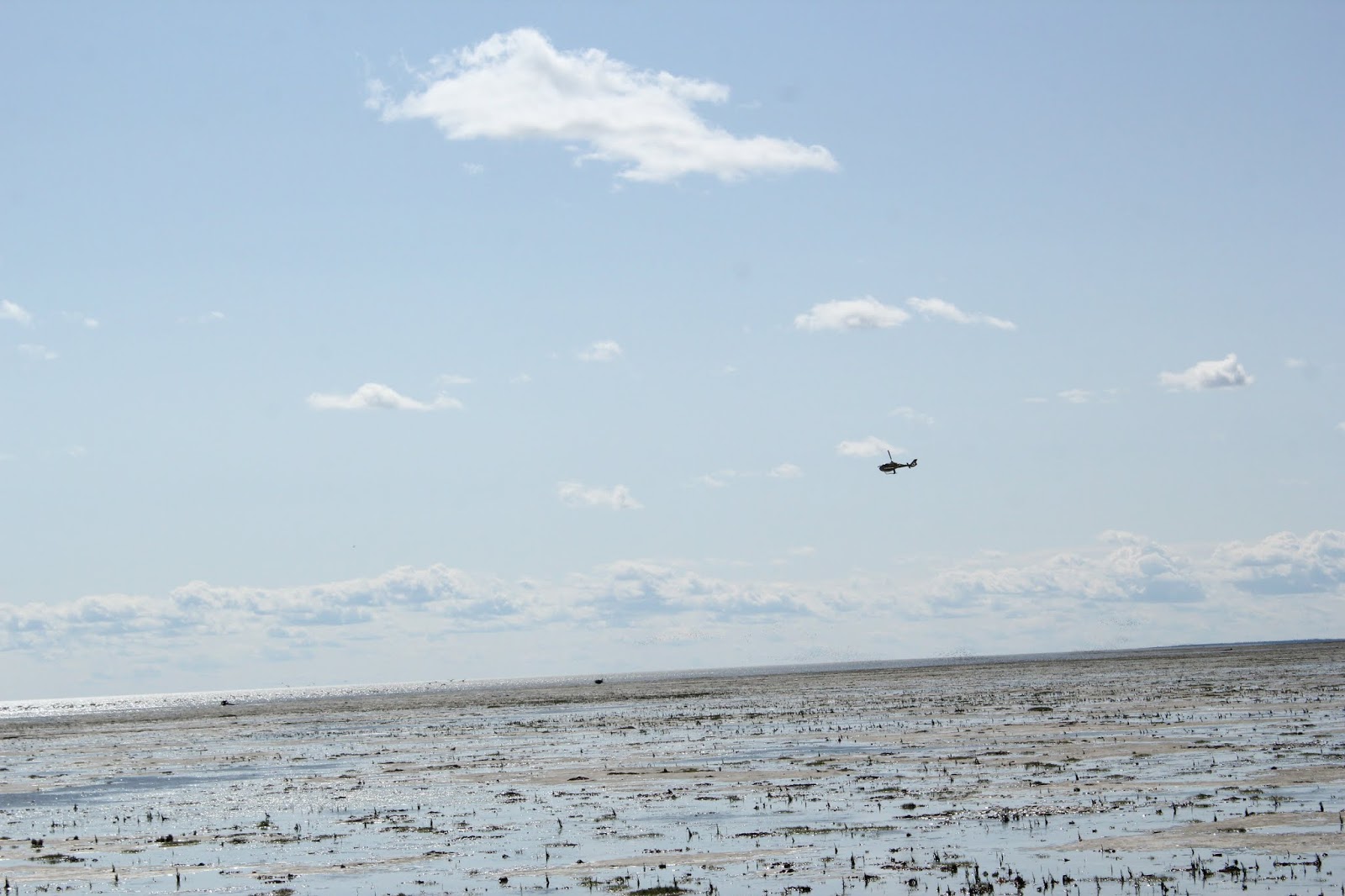
The aerial survey itself was neat. Though a tad anticlimactic. The chopper circled around Amie to the south of me about 5 times, then buzzed over me in a matter of a couple seconds. My birds went up and down in 5 seconds, and the sun was in my eyes. There were only about 6500 shorebirds too, which made it a bit boring...haha. A highlight for me were two American White Pelicans that were flushed up by the chopper.


Later that day, Tyler and I made the trek to the winter road, about a kilometer inland from camp. The winter road is drivable in the winter and stretches from Moosonee up to Attawapiskat. It was quite the adventure to get back there, but now I can say I've been!

Winter road (note road sign)


August 12, 2019

My last day at Piskwamish.

Early in the morning, I went out to the platform (a wooden structure in the marsh that we put our bags on to keep dry during crew change), to look what birds were moving along the ridge. Then I heard it. a freaking Blue Jay! I ran into camp, making sure it wasn't Tyler messing with me. It wasn't! The jay eventually flew into camp. I wasn't able to get any photos, but saw it fairly well. On a side note, a Northern Goshawk flew in response to the Blue Jay playback.

 Of course, in the most James Bay like fashion possible, the weather was crap. It rained and the wind blowed (it was cold) for about 3 hours non stop as Tyler and I trekked 10 kilometers to the south. Our survey notes were very messy, and our fingers were frozen. The only way we could write was by wrapping out entire hand around the pencil. Optics became virtually useless, so it was a good thing I was able to identify everything by call!

As we reached the end of the route, the sun came out. It looked like it was going to be a nice day. We went on a little detour back into the marsh to see what we would find. And we found something. Tyler spotted a raptor a couple kilometers away sitting on a log. It was at a distance we could sort of make out patterns, but we couldn't say anything for certain. It was sitting pretty odd, and the pattern, what we could make out anyways, also seemed a bit odd. We picked up our scopes and walked about 10 feet before looking again, and the bird was gone, never to be seen again. We looked at the guide when we got back to camp that night, and had an "oh crap" moment when we saw Swainson's Hawk. Too far too call, and we couldn't be certain. Argh! Buteo sp. it is...

We were going to read flags on our way back, and Tyler and I each took a section of a flock. At one point I looked back, and over the treeline was a huge dark cloud, heading straight for us. I wasted no time in taking off. I managed to avoid it (amazing how you can see things coming for kilometers!) Tyler, on the other hand, persevered in his flag reading, and didn't miss it. He told me the rain and wind drove him to his knees, hanging on for dear life. I wasn't in the clear though. With 10 kilometers still to walk, I got hit by about four more waves of rain. Tyler eventually caught up, and we came back to camp cold and wet, but not miserable. You can never be miserable in James Bay.

That night I, along with Kevin, enjoyed our last supper at Piskwamish. The helicopter would be coming in the morning.

August 13, 2019

Except the helicopter never came in the morning. In fact, it never came that day.

Due to some weather conditions, and visibility issues (which Longridge may have contributed to, telling the pilot in Moosonee that it had "decreased"), we were stuck at Piskwamish for another day. We had fun, however, spending the day burning garbage and training our camp Gray Jays. We succeeded in gaining one's trust, having him seek us out for handouts. At one point, I raised my binoculars to look at a bird, and the thing landing on the binoculars as I had them on my face. A shame nobody had their camera ready.

That night, it was actually my last supper at Piskwamish. The next day I would be throwing my gear into a chopper and flying 20 kilometers north to Longridge Point.


Friday, 13 September 2019

James Bay 2019: Part Two

This past summer, I spent four weeks on the coast of Southern James Bay surveying shorebirds with the James Bay Shorebird Project (website). From July 31 to August 14, I was at Little Piskwamish Point, then for the remainder of the month until August 27 I was at Longridge Point.

James Bay 2019:
Part One
Part Two

July 31, 2019

The chopper was leaving Akimiski Island around 8am, so we were set to be at the Moosonee airport around 10:30. After one last breakfast at the Northern Store, we packed our stuff into the MNR truck, and went to the airport. The chopper arrived soon after.

Obligatory helicopter selfie...


After our safety briefing, we got into the chopper and prepared for liftoff.


Then we were off!


Little Piskwamish is located about 45 kilometers north of Moosonee, so the chopper ride was around 20 minutes. We flew over the expansive taiga forest. The Hudson Bay Lowlands make up one of the most intact true untouched wildernesses in North America, and perhaps the world.


Soon, we neared Little Piskwamish, my home for the next two weeks.


After unloading, we said goodbye to the chopper and the outgoing crew members. We were left alone, and would not be seeing the chopper until at least August 11th, when we were to have our aerial survey.

We unpacked, got acquainted with Amie MacDonald, our camp lead, and started to process that we were back on the coast.

After another safety briefing (this time on how not to be eaten by bears), I wasted no time in catching up with some odonates. Variable Darner was my first catch, and a lifer ode to boot! Variable Darners proved to be the most numerous darner.


After lunch, we headed out to the flats for an orientation. Tyler had been at Piskwamish last year, but this was mine, and most certainly Kevin's, who had never been to the region before, first time at the site. After hearing the stories of the tens of thousands of birds that congregate at Piskwamish, I was eager to see them for myself.

But...there were no birds. It was quite ironic actually.

We attributed the lack of birds to the high tide. Finally, we saw a couple birds further south, so we got closer. Soon, I was once again surrounded by Hudsonian Godwits, White-rumped Sandpipers, Semipalmated Sandpipers, and even a few Red Knots (one of which had a flag, which I successfully got...I think it was my first ever knot flag!). The highlight was a Red-necked Phalarope which essentially dropped out of the sky and landed right in front of me, becoming the first phalarope for Piskwamish of the season.

It was very windy, which seemed to push the darners out over the flats. Some would grab a deerfly (which were nicknamed "Bulldog flies" because of their fierce looking jaws), and then land on the ground. Over the course of the month, not to brag or anything, but I became quite skilled at hand-catching them (as I did that day) ;-)

Subarctic Darner

Zigzag Darner

I even managed to catch a Somatochlora emerald dragonfly, a Delicate Emerald (lifer).


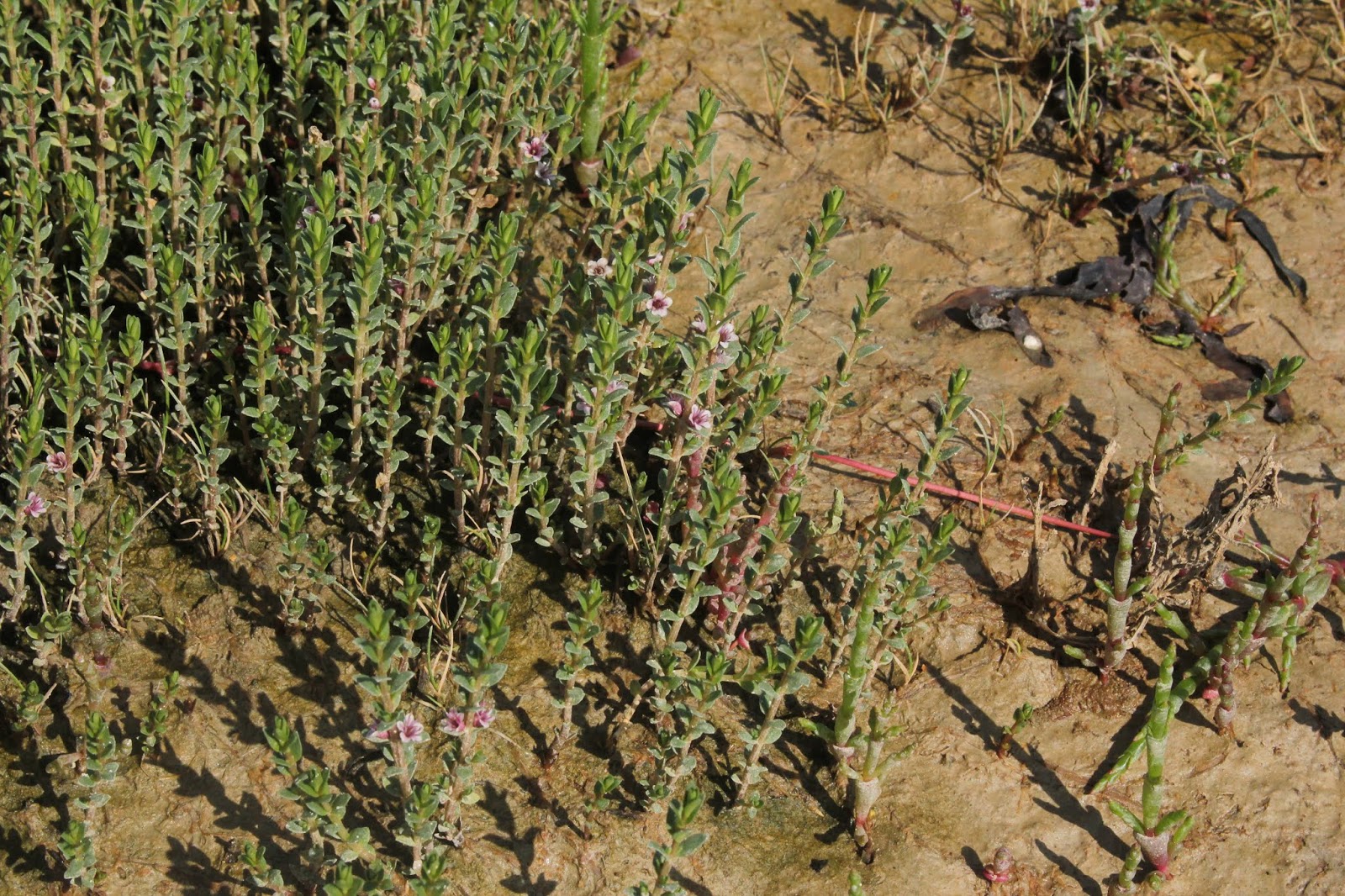
With my new found appreciation of botany, there are some unique plants which are found on the coast. Here are a few seen on the first day.

Sea Plantain (Plantago maritima)

Sea Milkwort (Lysimachia maritima)

Marsh Fleawort (Tephroseris palustris)

Later that evening, I went down to the creek where we get our drinking water, and found another lifer ode, Taiga Bluet.


I caught a Lake Darner on the way back. Lake Darners were the second most abundant species of darner on the coast.


It was a splendid first day, and I was really looking forward to the next month!

August 1-3(ish) 2019

Days sort of got jumbled together, so I won't always have the most exciting stories for each day (though August 21, 2019 is forever burned into my mind), but I'll try to summarize what happened.

We did our first set of surveys on August 1. Amie and Kevin took the North Survey route, and Tyler and I took the "Near South" survey route. I remember "lots" (~6000) White-rumped Sandpipers and a few thousand Semipalmated Sandpipers as being the most numerous birds. Highlights were a couple family groups of Marbled Godwits, which breed in small numbers on the coast. Here are two juveniles.


We had a Marbled Godwit, who became to be known as "Dad", who for over two weeks relentlessly defended his young, which where near adult size by that point! He would regularly divebomb us, and other birds (ravens, cranes, and even a Bald Eagle). We always knew where we where when we heard him! (somewhere about 2.5 km south of camp, as I recall)

Later on in the survey, a bunch of shorebirds went up and the yellowlegs started making a racket. I looked over to see what was the matter, and couldn't believe it! I started screaming "GOSHAWK!!!" At Tyler, but unfortunately he wasn't able to get on it. We had a pair of adult Northern Goshawks at Piskwamish, and saw them almost daily. It was certainly a treat! There were a few times where they passed by us mere meters away.

A couple more plants, this time sedges.

Golden Sedge (Carex aurea)

Common Cotton Grass (Eriophorum angustifolium)

On August 2nd, Tyler and I did the "Far South" survey route, which was about a 2.5 hour walk just to get to the start point. The weather was not too nice (windy, rainy, cold), but we persevered.

As Tyler promised, I finally got to see some numbers...

The most numerous shorebird was White-rumped Sandpiper, numbering around 12,000. There were thousands of other shorebirds as well, including Semipalmated Sandpipers, Hudsonian Godwits, and Red Knots. Highlights were a Wilson's Phalarope, another first for the season at Piskwamish, and a Short-billed Dowitcher. An even bigger highlight was a flock of American White Pelicans which fly by low to the water at the end of the survey. Pelicans are a somewhat recent addition to the breeding birds of James Bay. They nest up near Akimski Island, and come down to the Moose River to feed.
On August 3rd, Tyler and I made the walk to "The Barge", an old rusted dock portion that has washed up, which is slightly over halfway between Piskwamish and Longridge. Ross Wood from Longridge was walking down to meet us, as were were going to have an exchange of goods. Newspapers for us (to dry boots!) and carrots for them!

The walk, which was somewhere around 13km, was quite enjoyable. It was a little more difficult than it would probably normally be, since our legs and feet were not quite used to the terrain yet (I battled numerous blisters and other walking-related injuries this year). Along the way, we saw the only Black Bears I saw during my time at Piskwamish, a mother and cubs, and a large male.

After the meetup and exchange of goods and intel, we began our walk back. Many Ruddy Turnstones were seen, the most we saw during the two weeks. We did the "North" survey route on our way back, which was highlighted by several Short-billed Dowitchers and a Wilson's Phalarope.

A wonderful start to the month!